n. the exercise of influence and authority over human behavior. For instance, undesirable behavior can be redirected through psychological manipulation in the form of promises and threats. On the extreme, control can also be established through more intrusive means such as drugs, hypnosis, isolation, and interrogation.
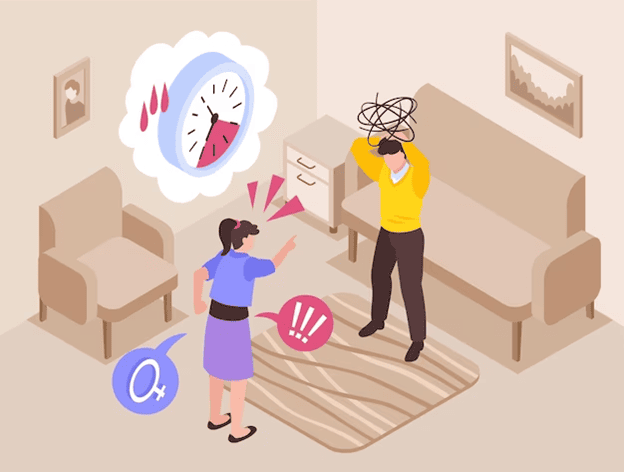
Introduction
The concept of behavioral control, which is central to psychology, impacts our understanding of human behavior and interactions. It is essential in fields like as education, social work, and therapeutic settings.
Definition
In psychology, behavioral control refers to an individual's or a group's ability to influence, manage, or steer their own or others' activities.
Background and Context
Historical Perspective
The genesis of behavioral control can be traced back to behaviorism, a psychological perspective that prioritizes observable behavior over internal mental states. This approach took root in the early 20th century, largely attributed to John B. Watson, its main proponent. Watson's theories were refined and evolved notably by B.F. Skinner, who introduced the concept of operant conditioning.
Current State of Research
In the current research landscape, the exploration of behavioral control has expanded, considering factors that traditional behaviorism often downplayed. Aspects such as environmental influences, cognitive processes, and cultural norms have been identified as significant shapers of behavior. These findings have deepened our understanding of behavioral control, illustrating that behavior is not a simple stimulus-response pattern but a complex interplay of various elements.

Importance
Understanding behavioral control is crucial since it touches on various critical areas of human life. Behavioral control theories underpin behavioral modification therapies, giving physicians with frameworks for encouraging healthy habits in their patients. behavioral control in the workplace aids in navigating organizational behavior, boosting teamwork, and increasing productivity.
Key Concepts and Terminologies
Behavioral control is fundamentally composed of key concepts like "operant conditioning," "reinforcement," and "punishment." "Operant conditioning" is a learning process where behavior is shaped by its consequences. "Reinforcement" and "punishment" are two contrasting outcomes of this process:
- Operant Conditioning : Learning through the consequences of behavior
- Reinforcement: Outcome that increases the likelihood of a behavior
- Punishment: Outcome that decreases the likelihood of a behavior
Practical Applications and Implications
Behavioral control concepts offer a wide range of practical applications and implications. Understanding these concepts can help parents build effective techniques such as providing clear expectations and consistent consequences for their children's actions. Meanwhile, behavioral control concepts are used in educational settings to maintain a favorable learning atmosphere, establish a feeling of discipline, and promote academic performance.

FAQ: Frequently Asked Questions
What is behavioral control and why is it important?
Behavioral control refers to the methods and strategies used to guide and influence behavior, primarily through the use of rewards and punishments. It's important because it shapes our understanding of behavior modification, classroom management, organizational behavior, and other critical areas of human life.
How do psychologists conduct research on behavioral control?
Psychologists use a range of methodologies to conduct research on behavioral control, including observational studies, experimental designs, surveys, and case studies. They often study the effects of different types of reinforcements and punishments on behavior.
What are the different branches of behavioral control?
The different branches of behavioral control can include areas like behavioral therapy, educational psychology, organizational behavior, and parenting strategies. Each branch applies the principles of behavioral control in different ways.
How do behavioral control theories and concepts apply to daily life?
Behavioral control theories and concepts have a variety of applications in everyday life. They influence how we learn from the consequences of our actions and how we change our behavior in response to previous experiences. For example, if persistent study results in good grades (a positive reinforcement), a student is inclined to continue that practice.
References
Hofmann, S. G., Asnaani, A., Vonk, I. J., Sawyer, A. T., & Fang, A. (2012). The Efficacy of Cognitive Behavioral Therapy: A Review of Meta-analyses. DOI: 10.1016/j.beth.2012.01.002
Keltner, D., Gruenfeld, D. H., & Anderson, C. (2003). Power, approach, and inhibition. DOI: 10.1037/0033-2909.129.3.488
Rothbaum, F., Weisz, J. R., & Snyder, S. S. (1982). Changing the world and changing the self: A two-process model of perceived control. DOI: 10.1037/0003-066X.56.2.109