Our world is changing rapidly. Our understanding of physical and mental health grows almost daily. In a world where you can get accelerated MSN programs online, our technological prowess and medical knowledge are as advanced as they’ve ever been. Yet despite this, there still exists a huge disparity between men and women in terms of what is known about how certain conditions affect them differently.
One of these conditions, and one of the most prolific examples of women being severely underrepresented in research, is ADHD. Attention Deficit Hyperactivity Disorder is a neurological condition that affects emotional regulation, attention, sensory perceptions, mood, as well as other psychological and physiological traits. The problem is that most of our understanding of ADHD is based on male test subjects and research conducted on men.
The question then becomes, what are we not seeing about female presentations of ADHD?
What is ADHD?
ADHD is a neurodevelopmental (concerning the way the brain grows) disorder. ADHD brains have been found to have several physically different characteristics to neurotypical brains. “Neurotypical” refers to a brain or a person whose brain, has grown without any abnormalities.
The term used to describe people with ADHD is “neurodivergent” or “neurodiverse.”
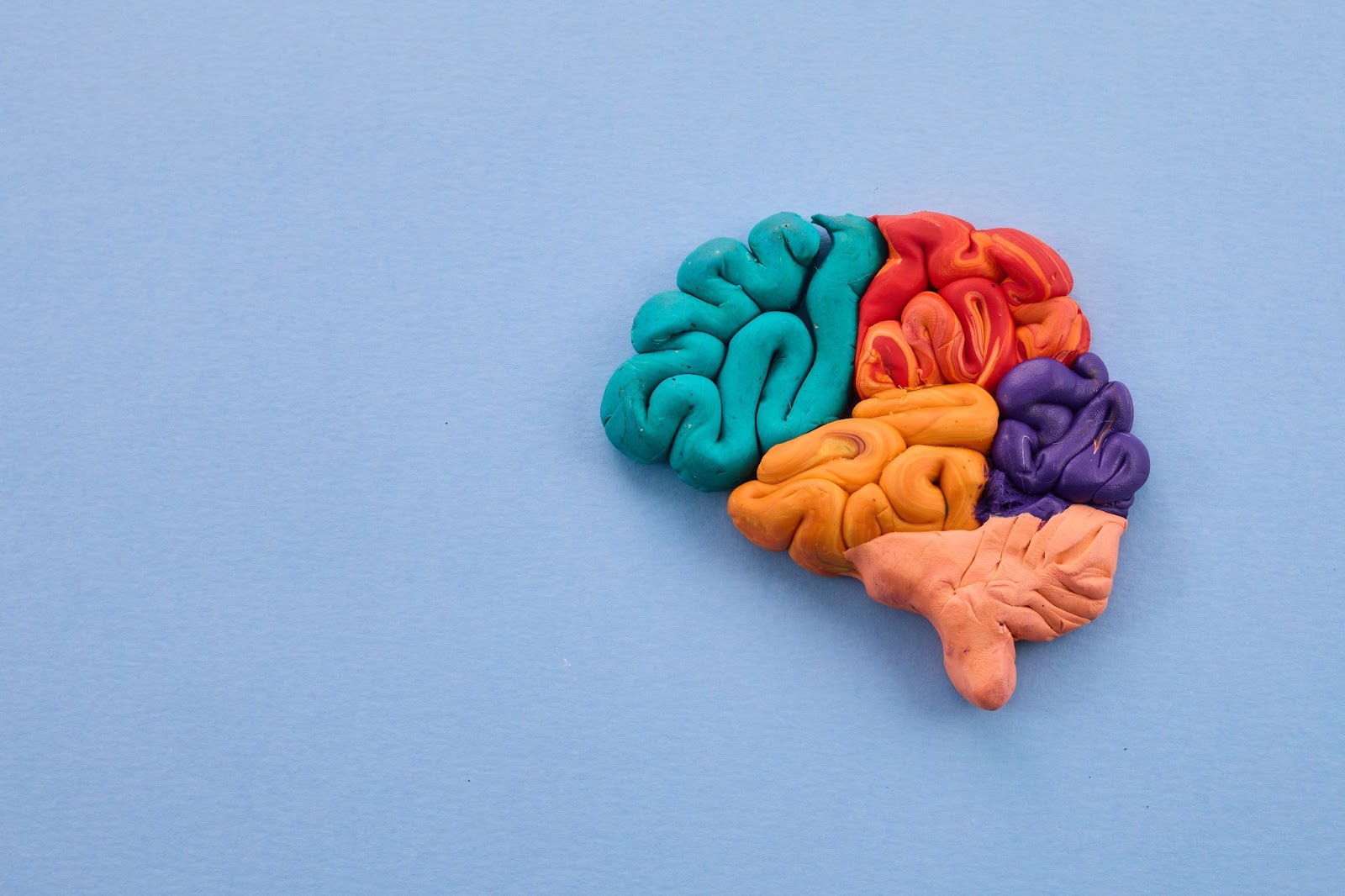
In a brain with ADHD, the first major characteristic is that it is smaller. Contrary to belief, brain size does not affect overall intelligence. The reason an ADHD brain grows smaller is due to an inhibited growth of the Pre-Frontal Cortex. The Pre-Frontal Cortex (PFC) controls a very important aspect of living, executive functions. Executive functions are the skills you use daily and are divided into three sections - Working Memory, Cognitive Flexibility, and Inhibitory Control.
Although overall brain size does not play an overtly important role in intellect, the growth of the PFC does affect how well it can dictate executive functioning. In an ADHD brain, an under-developed PFC is responsible for emotional dysregulation, inattentiveness, lack of impulse control, difficulty in planning, organizing, prioritization, understanding alternative viewpoints, and monitoring yourself.
In other words, executive function dictates just about everything necessary to modern life, and people with ADHD suffer from executive dysfunction; the physiological, and psychological near-disability to do these things. People with ADHD also inherently have trouble producing Dopamine, the brain’s neurochemical that produces feelings of joy and happiness after achieving something. This is why people with ADHD often find it torturous to do something that doesn’t interest them, their brain is naturally starved of the chemical that processes reward-based pleasure and constantly seeking it.
ADHD in Women
Recently, due to social media, ADHD has sort of “blown up” in the social sphere. As people share their experiences on platforms like YouTube and TikTok, the existence of neurodiverse individuals is being uncovered, and generations of undiagnosed people are discovering that they have been living with the condition all their lives.
However, women are categorically underdiagnosed when compared to men, which stems from a societal misunderstanding of ADHD. People with ADHD are stereotyped as screaming, jittering children, completely unable to sit still, and whose focus is easily pulled with an exclamation of “Ooh squirrel.” The actual condition is, however, far more complicated.
ADHD has three presentations:
Hyperactive:
People with Hyperactive (also known as “Impulsive”) ADHD can have trouble sitting still. They may fidget, struggle with physical stillness, act on impulse, have difficulty with silence, and other symptoms that make it difficult for them to function at school, university, or work.
Inattentive:
People with Inattentive ADHD struggle with long periods of concentration, daydream frequently, are easily distracted and forgetful, and can experience significant difficulty organizing and prioritizing tasks.
Combined:
As the name suggests, the Combined presentation of ADHD means that the diagnosed individual manifests the symptoms of both Hyperactive and Inattentive ADHD in equal measure.
The problem is that for so long, people were diagnosed with ADHD based solely on the Hyperactive presentation of symptoms. While men and women can both suffer from ADHD in equal measure, men are more likely to have the hyperactive presentation, while women are more likely to have the inattentive presentation.
This means that for generations, women with ADHD were suffering from a whole facet of the condition that just wasn’t being looked for. If you weren’t impulsive, aggressive, or fidgeting, you weren’t likely to be diagnosed with ADHD.
Gender Politics and ADHD
Aside from this, there is a very real bias that exists within the medical industry. Women are less likely to be taken seriously when relaying medical symptoms and are at higher risk of misdiagnosis of any illness.
When it comes to ADHD, because women are more likely to have an inattentive presentation, their symptoms are viewed through a misogynistic lens. A woman who talks excessively doesn’t have ADHD, she’s just chatty. A woman who has issues focusing isn’t struggling with executive dysfunction, she’s just flighty or dim. A woman who has an angry outburst after months of keeping it together isn’t emotionally dysregulated, she’s just hysterical.
Ultimately, there is a huge disparity between the number of people that live with ADHD, and the number of women compared to men that get diagnosed. This disparity is actively affecting the lives of hundreds of thousands of women around the globe, and it’s fuelled by ignorance in both the social and medical spheres.
Getting Better
People with ADHD don’t grow out of it. They don’t hit a certain age and then suddenly unlock the ability to focus and prioritize. A child doesn’t hit 18 and swap their interest-based nervous system for a priority-based one. ADHD is a lifelong condition, and going undiagnosed has serious repercussions for the people who live with it.
Emotional dysregulation means that everything is a big deal. Difficulty in planning and organization leads to feelings of failure. Lack of tolerance for disinteresting topics and tasks leads to social stigma and resultant self-esteem issues. While these brains can never be “cured,” the quality of life for neurodivergent people can often only be improved with medical and psychological therapy - a resource that will likely never be accessible to them without the privilege of a formal diagnosis.
Women all over the world are being misdiagnosed, or worse undiagnosed, due to the structure of a world not designed to help people with ADHD thrive, and the dismissiveness of doctors and mental health professionals; as well as society’s general disregard for women and women’s experience. Things can change, we just need to listen, accept, and learn.