Psychology Dictionary
  • Dictionary
    • A
    • B
    • C
    • D
    • E
    • F
    • I
    • J
    • K
    • L
    • M
    • N
    • O
    • P
    • R
    • S
    • T
    • U
    • W
    • Y
    • Z
  • Health Topics
    • ADHD
    • Anxiety Disorders
    • Bipolar Disorder
    • Breast Cancer
    • Depression
    • Diabetes
    • Dissociative Disorders
    • Epilepsy
    • Insomnia
    • Neurology
    • Oncology
    • PCP
    • Pediatrics
    • Personality Disorders
    • Primary Care
    • Schizophrenia
    • Sleepdisorders
    • Substance Abuse Disorders
Aa
Psychology Dictionary
Aa
Search
  • Dictionary
    • A
    • B
    • C
    • D
    • E
    • F
    • I
    • J
    • K
    • L
    • M
    • N
    • O
    • P
    • R
    • S
    • T
    • U
    • W
    • Y
    • Z
  • Health Topics
    • ADHD
    • Anxiety Disorders
    • Bipolar Disorder
    • Breast Cancer
    • Depression
    • Diabetes
    • Dissociative Disorders
    • Epilepsy
    • Insomnia
    • Neurology
    • Oncology
    • PCP
    • Pediatrics
    • Personality Disorders
    • Primary Care
    • Schizophrenia
    • Sleepdisorders
    • Substance Abuse Disorders
Follow US
© PscyhologyDictionary.org. All Rights Reserved.
Home > Uncategorized > Activities That Promote Physical, Cognitive & Creative Development
UncategorizedArticlesPediatrics

Activities That Promote Physical, Cognitive & Creative Development

By N., Sam M.S.

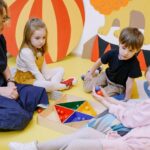
From the time of birth, numerous activities promote physical cognitive and creative development. The fastest levels of growth and development occur during the first five years of life. During this time, children learn about the world around them and how to interact with that environment. Very young children initially develop and progress through play.

Physical Growth

Parents encourage physical development during infancy by placing babies on their stomachs and encouraging the infant to raise their head and chest upward. Rolling over is another physical achievement. Placing toys just out of reach encourages little ones to reach upward, scoot or crawl to get desired objects. Toddlers enjoy playing hide-and-seek, which promotes mobility. Playing with blocks, filling empty containers and rolling balls back and forth improve hand-eye coordination. Even young children enjoy listening to and dancing along with music. As little ones approach school age, riding toys and playground structures improve large muscle group strength while improving gross motor skills. Arts and crafts that include coloring and working with safety scissors promote fine motor skill development.

Cognitive Development

Simple games like peek-a-boo teach infants problem solving and analytical skills as they learn the mystery behind a parents disappearance and reappearance. Shape-sorting and stacking toys along with cause-and-effect toys all serve to strengthen these areas of cognitive growth. Encourage sensory development by providing infants with many different objects having varied sizes, shapes, textures and colors. Toddlers enjoy the challenge of putting together age-appropriate puzzles or playing board games. All little ones love hearing stories as parents read from favorite books. Learning the names of colors, discovering A,B,Cs and counting are also accomplished during the toddler and pre-school ages.

Little ones also enjoy playing with musical instruments of various types. Neuroscientists highly recommend this activity as musical training enhances the connections between neurons in many different brain regions, enlarges brain volume and additionally improves cognitive ability. Even children under the age of seven can successfully learn and practice an instrument of choice.

Building social relationships is also a vital part of behavioral, cognitive and emotional growth. Social activities may involve parent or other adults spending one-on-one time with a child. Children not having a sibling should also have the chance to interact with other youngsters to learn appropriate interactive behavior.

Creativity

Allow children from infancy onward to explore and express themselves. Most children welcome the chance to explore creative play with open arms. Activities involving art, movement and music are some ways to encourage creativity. Provide youngsters with basic art supplies, encourage them to make their own pictures and tell a story revolving around their masterpiece. Give them a variety of old clothes, fabrics, accessories and shoes in order that they might play dress-up. Boys and girls alike enjoy creating structures using the multitude of building toys that are available.


Cite this page: N., Sam M.S., "Activities That Promote Physical, Cognitive & Creative Development," in PsychologyDictionary.org, January 10, 2016, https://psychologydictionary.org/activities-that-promote-physical-cognitive-creative-development/ (accessed May 12, 2026).
Share this Article
Facebook Twitter Email Copy Link Print
Avatar photo
By N., Sam M.S.
Sam holds a masters in Child Psychology and is an avid supporter of Psychology academics.

Latest Posts

What Happens At An ADHD Assessment
A Quick Look at the History Behind Hypnosis
A Brief History of Brainwashing: The Science of Thought Control
A Deep Dive into the Social Psychology of Leadership
Counseling Approaches to Client Care: Theories to Apply in Practice
The Future Of Education: Can You Earn A Psychology Degree Online?
Insomnia & Mental Illness: What is the Correlation?
Psychology of Decision Making
Stop Guessing: Here Are 3 Steps to Data-Driven Psychological Decisions
Getting Help with Grief: Understanding Therapy & How It Can Help
Exploring the Psychology of Risk and Reward
Understanding ADHD in Women: Symptoms, Treatment & Support
Meeting the Milestones: A Guide to Piaget's Child Developmental Stages

Popular Psychology Terms

JUDGMENT
MEDICAL MODEL
HYPERMNESIA
AFFIRMATION
BRAINWASHING
BACKUP REINFORCER
QUALITY
WELL-BEING
AFFILIATIVE BEHAVIOR
MESSAGE-LEARNING APPROACH
BASIC ANXIETY
SENSORY ADAPTATION
CONFEDERATE
SOCIAL INSTINCT

Read This Next

What Happens At An ADHD Assessment

By PD

A Quick Look at the History Behind Hypnosis

By N., Sam M.S.

A Brief History of Brainwashing: The Science of Thought Control

By N., Sam M.S.

A Deep Dive into the Social Psychology of Leadership

By N., Sam M.S.

Counseling Approaches to Client Care: Theories to Apply in Practice

By N., Sam M.S.

The Future Of Education: Can You Earn A Psychology Degree Online?

By N., Sam M.S.

Insomnia & Mental Illness: What is the Correlation?

By N., Sam M.S.
Psychology of Decision Making

Stop Guessing: Here Are 3 Steps to Data-Driven Psychological Decisions

By N., Sam M.S.

About Us

Powered by Psychology Dictionary: the only Free Online Psychology Dictionary

Follow Us

©2023 PsychologyDictionary.org

  • About
  • Contact
  • Advertise
  • Terms of Service
  • Privacy Policy