Dental fear is a common yet often overlooked phenomenon that affects many individuals. Understanding the roots of this anxiety is crucial for both patients and dental professionals, as it helps in addressing the psychological factors behind the fear.
By delving into these causes, you can find effective ways to manage your anxieties, making dental visits more bearable and less challenging. It is also a gateway for any experienced dentist or other dental professionals to foster a more empathetic and supportive environment for their patients.
- Past Traumatic Experiences
Traumatic experiences from previous dental visits can have a lasting impact. This could range from physically painful procedures to feeling neglected or rushed by the dental staff. For children, these negative experiences can be particularly impactful, embedding a deep-rooted fear that persists into adulthood.
Finding a compassionate and understanding dentist is crucial for overcoming this fear. It's advisable to research dentists who prioritize patient comfort and have good reviews for handling anxious patients.
Once a suitable dentist is found, it's important to have a frank discussion about past experiences and specific fears. Many dentists trained in dealing with dental phobias will offer gradual exposure techniques, allowing patients to become comfortable with simpler procedures before moving on to more complex treatments.
Building this trust and rapport can transform the perception of dental visits from a traumatic to a more positive experience.
- Fear Of Pain
The fear of pain is often rooted in either a previous painful dental experience or the portrayal of dentistry in media and popular culture. The mere sound of a dental drill or the sight of a needle can trigger intense anxiety, even if modern techniques have significantly reduced actual pain.
It's vital to communicate openly with the dentist about pain fears. Most dental clinics now offer various forms of pain relief, including local anesthetics, sedatives, and even distractions like music or television during procedures.
Understanding the procedure in advance can also help demystify and destigmatize the experience. Dentists can walk patients through each step, ensuring they understand that modern dentistry prioritizes patient comfort and minimal pain.
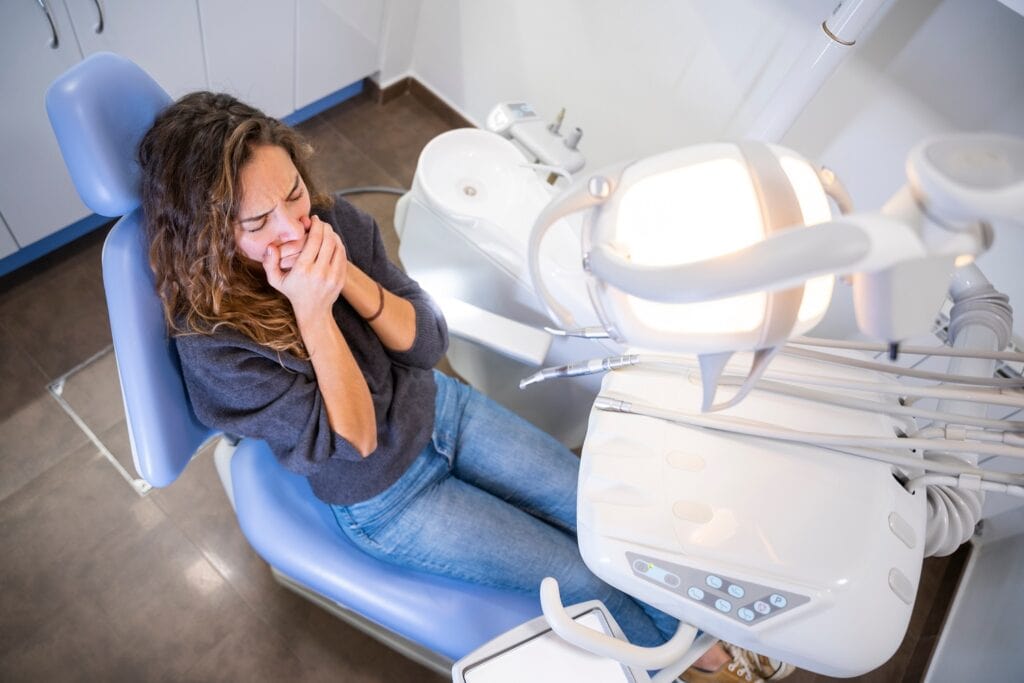
Embarrassment is a common barrier to seeking dental care. Concerns about poor oral hygiene, bad breath, or the appearance of teeth can make the intimate nature of dental exams daunting. This embarrassment is often magnified by societal pressures and expectations regarding personal appearance and hygiene.
It's important to recognize that dental professionals are trained to approach every case with a clinical and compassionate mindset. Their goal is to improve and maintain oral health, not to judge.
Patients should feel encouraged to discuss their insecurities with their dentist, who can provide reassurance and tailored care. Regular dental visits can also help in maintaining better oral health, thereby reducing the likelihood of severe dental problems and the associated embarrassment.
- Fear Of Losing Control
The vulnerability felt when lying back in a dental chair, often with a limited understanding of the procedures being performed, can be a significant source of anxiety. This loss of control can be particularly difficult for individuals who are accustomed to being in command of their environment.
Establishing a sense of control is key. Patients can discuss with their dentist about having a hand signal to pause the procedure, giving them a sense of control over the situation.
Understanding the procedure in advance, including the estimated duration and what to expect at each step, can also mitigate this fear. Some dentists might even offer mirrors for patients to watch the procedure, which can help in reducing the feeling of helplessness.
- Negative Stories And Stereotypes
Cultural narratives and personal anecdotes about painful or unpleasant dental experiences can heavily influence one's perception of dentistry. These stories, often exaggerated, create a skewed view that associates dental care with pain and discomfort.
Actively seeking out and focusing on positive dental experiences is beneficial. Engaging with friends or online forums where positive dental stories are shared can help reshape one's outlook. It's also helpful to remember that each dental experience is unique, and advancements in dental care have made many of the negative stereotypes outdated.
- Fear Of Bad News
Avoidance of dental visits often stems from the fear of discovering oral health problems or the need for extensive treatment. This fear can create a vicious cycle where the lack of regular check-ups leads to more significant issues, which further intensifies the fear.
Emphasizing the importance of preventive care can change this mindset. Regular dental visits can catch problems early when they are more manageable and less invasive to treat.
Educating oneself about the benefits of early detection and the typically less severe nature of early interventions can encourage more timely dental visits. Additionally, discussing treatment options and outcomes with the dentist can alleviate fears related to extensive dental work.
- Sensory Overwhelm
The sensory environment of a dental office—the sounds of drills, the smell of medical materials, and the bright lights—can be overwhelming, especially for those with heightened sensory sensitivities. This can exacerbate anxiety and make dental visits particularly challenging.
Employing sensory management strategies can be highly effective. This might include using noise-cancelling headphones to block out distressing sounds or bringing a familiar object to hold during the procedure. Some patients benefit from aromatherapy or specific breathing techniques to stay calm.
Visiting the dental office in advance to become accustomed to the environment and discussing these concerns with the dentist can also lead to adjustments that make the experience more comfortable.
Conclusion
Understanding the psychology behind dental fear is a vital step in overcoming it. Whether it's past traumas, fear of pain, feelings of embarrassment, loss of control, negative influences, dread of bad news, or sensory overload, there are coping mechanisms to help. By recognizing these triggers and implementing strategies to manage them, visits to the dentist can become less intimidating.