
Dealing with the loss of a loved one is an indescribably painful experience, carrying profound weight when it occurs within aged care facilities. The passing of a family member in such a setting presents unique emotional challenges intertwined with the complexities of the care system. It's a journey no one is ever fully prepared for, often leaving many unprepared and overwhelmed.
In these moments, finding solace and understanding amidst grief is crucial. This guide will walk you through this difficult time, offering practical advice and compassionate insights to help you cope with your loss. You're about to honor your loved one's memory, understand the process of dying in aged care, and find a healing path that respects both your needs and the legacy of the person you've lost.
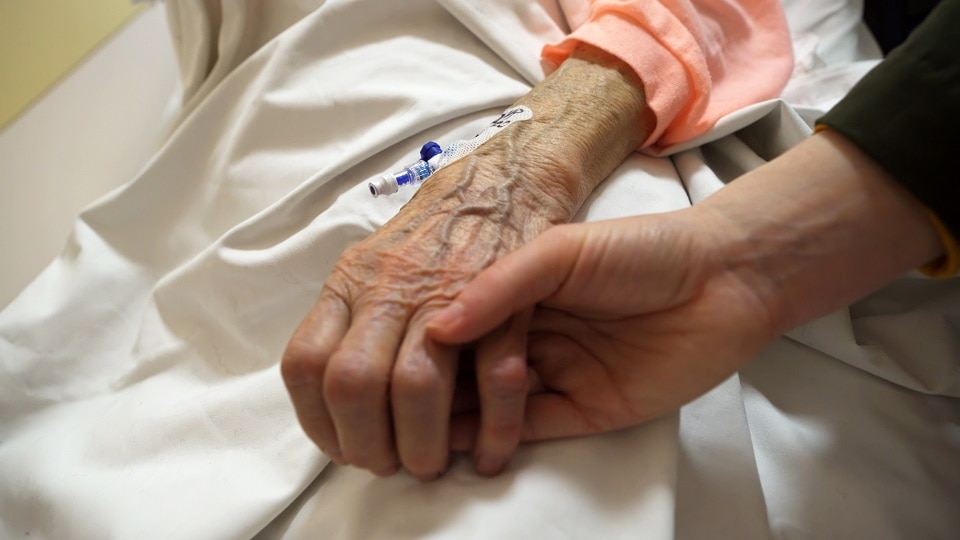
- Understanding Grief In The Context Of Aged Care
Grieving for a loved one who spent their final days in an aged care facility presents unique challenges. Recognizing the unique aspects of dying in aged care can help you process your loss more effectively. The care team becomes an extended part of your family, and their involvement in your loved one's final days can offer comfort and support. Acknowledging their role and the care provided can be a crucial step in your grieving process.
It's also essential to understand the nature of aged care environments, where end-of-life care is fundamental. These settings are designed to provide comfort and dignity in life's final stages, ensuring your loved one was surrounded by professionals committed to their well-being. Embracing this can offer peace, knowing compassionate care is a priority.
Lastly, opening up conversations about death and dying within these settings is vital. Discussing with care providers, counselors, and other family members who have undergone similar experiences can offer insights and comfort. Sharing stories and memories helps keep your loved one's spirit alive, fostering a supportive community.
- Navigating The Emotional Rollercoaster
Grief may ebb and flow unpredictably, manifesting in emotional highs and lows. One moment, you might reminisce fondly, and the next, you feel overwhelmed by the absence of your loved one. Recognizing this as a natural part of the grieving process is essential.
Allow yourself to feel every emotion without judgment. Whether sadness, anger, relief, or guilt, these feelings are valid and crucial to acknowledge. Suppressing them only delays the healing process. Instead, find safe spaces and trusted individuals to share these feelings openly.
Seeking grief counseling or joining support groups can be incredibly beneficial. These resources provide a platform for expressing emotions and an opportunity to connect with others on similar paths. Sharing your journey can lighten the burden of grief, making it more bearable.
- Creating Meaningful Memorials
Honoring your loved one's memory is a powerful way to cope with loss. This memorial could range from a simple photo album to a community event in their honor, serving as a tangible reminder of their impact.
Consider involving friends, family, and the aged care community in this process. Collaborating on a memorial can provide shared purpose and healing. It's also an opportunity to celebrate your loved one's life in a way that feels true to who they were.
Digital memorials, such as online tribute pages, offer a space for people to share memories, photos, and messages. This can be exceptionally comforting, allowing connection with those unable to attend in-person memorials.
- Finding Support In Community
Reaching out to your community can mitigate the isolation that often accompanies grief. Connecting with others can provide essential emotional support, whether it's the aged care community, your family, friends, or faith-based groups.
Many communities offer bereavement groups or counseling services, which can be incredibly helpful. Participating in community events, volunteer work, or social activities can also provide a sense of belonging and purpose during this challenging time.
Remember, it's okay to lean on others. Accepting support strengthens your ability to navigate grief with a care network around you.
- Looking Ahead: Healing And Remembrance
As time passes, the intensity of your grief may lessen, but the memory of your loved one remains. For example, continuing traditions important to them, dedicating time to causes they cared about or simply keeping their stories alive by sharing them with others are crucial for healing.
Healing doesn't mean forgetting. It's about finding a way to live with your loss in a manner that honors your loved one's impact on your life. This journey is deeply personal and unfolds in its own time.
Coping with the loss of a loved one in aged care is a profoundly personal journey, marked by a spectrum of emotions. From understanding grief's unique aspects in this context to finding ways to honor your loved one's memory, each step taken is a move toward healing. Remember, it's about moving forward, guided by your loved one's enduring love and memories. As you navigate this path, know you're not alone; support is available to help you through this challenging time.












