The demanding world of professional sports is often glamorized for its high-energy competitions, fame, and financial rewards. However, beneath the surface, many athletes face a darker challenge: substance abuse disorders.
We delve into the prevalence of substance abuse among professional athletes, with a focus on those in fighting and football. We explore the underlying factors contributing to these issues, including the struggle with fading stardom, the impact of brain injuries such as CTE, and the pitfalls of pain management. Additionally, we discuss the responsibility of major leagues in supporting athletes post-retirement.
Prevalence of Substance Abuse: Underlying Factors
Substance abuse among professional athletes is not a rare occurrence, with many professionals falling victim to this problem. The high-pressure environment, constant physical strain, and the psychological toll of maintaining peak performance can lead athletes down a path of substance misuse as a means of coping.
For fighters and football players, the physical demands of their sports expose them to chronic pain and injuries, making them more susceptible to reliance on painkillers and other substances.
The Spotlight’s Shadow: Life After Fame
Athletes often struggle with the transition to life outside the professional sports arena. The sudden loss of the spotlight, adulation, and routine that comes with being a professional athlete can lead to a sense of loss and identity crisis, contributing to substance abuse as a form of self-medication. This adjustment can be particularly challenging for those who have spent the majority of their lives dedicated to their sport.
Brain Injuries and Substance Abuse: The Role of CTE and Brain Damage
Chronic Traumatic Encephalopathy (CTE) and other forms of brain damage are increasingly recognized concerns for athletes in contact sports such as football and fighting. The correlation between brain injuries and substance abuse is alarming, as these injuries can lead to changes in behavior, impulse control, and decision-making, which may contribute to substance misuse.
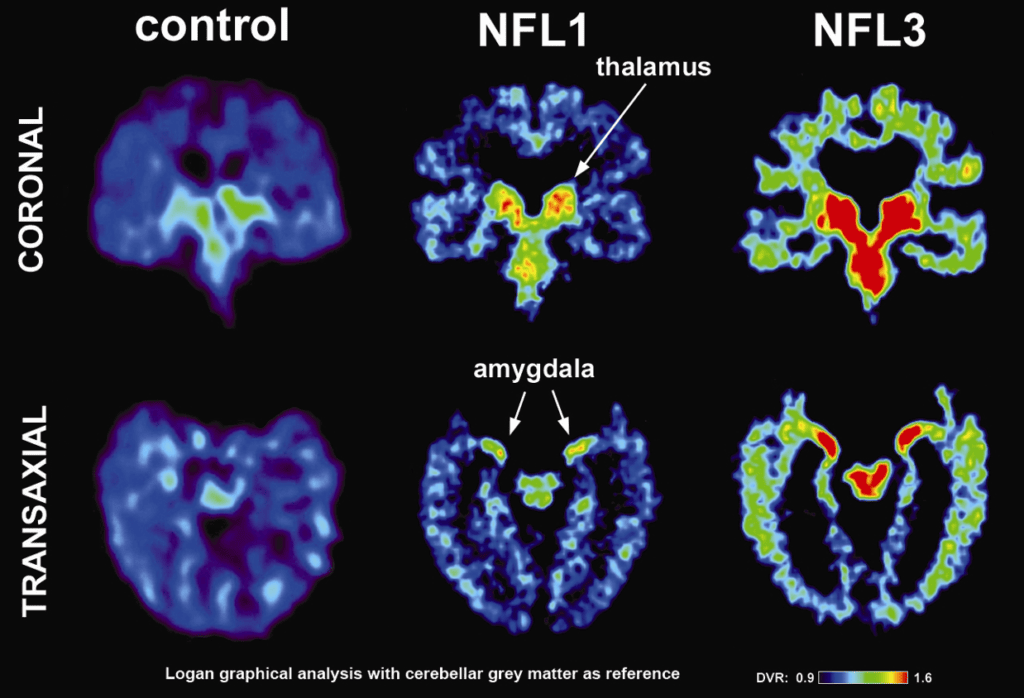
(Credit: UCLA)
Pain Management Pitfalls: Addiction to Painkillers
In the realm of professional fighting and football, managing pain is part of the job. However, this often leads to the prescription of powerful painkillers, which can become a gateway to addiction. Athletes might start using these medications to perform but find themselves unable to stop due to dependence, leading to a cycle of substance abuse.
Transition and Mental Health Support: The Need for Comprehensive Care
The major leagues have a crucial role to play in the welfare of athletes, especially after their retirement. Providing access to mental health services, transition programs, and education on substance abuse can help former athletes navigate life after sports more effectively, reducing the risk of substance abuse disorders.
The NFL’s Popularity and Responsibility
The NFL continues to rise in popularity, which is evident by the continuous growth of sports betting promos being offered and expansion into other international markets. This popularity brings with it a responsibility to address the well-being of its players, including those struggling with substance abuse and the aftermath of their careers.
Substance Abuse Education: Preventive Measures
Educating athletes about the risks of substance abuse and offering preventive programs can play a significant role in mitigating these issues. By fostering an environment of awareness and support, leagues can help athletes make informed decisions about their health and well-being.
Role of Team Support Systems: Importance of a Supportive Environment
The support system within teams, including coaches, medical staff, and teammates, is vital in identifying and addressing early signs of substance abuse. A culture of openness and assistance can encourage athletes to seek help before their issues escalate.
Aftercare and Rehabilitation Programs: Long-term Support for Athletes
Implementing comprehensive aftercare and rehabilitation programs for athletes struggling with substance abuse is essential. These programs should offer personalized recovery plans, ongoing counseling, and support networks to assist athletes in their journey towards sobriety.
The Impact of Public Perception: Changing the Narrative
Public perception plays a significant role in how athletes deal with substance abuse. By promoting a more understanding and less judgmental view of these challenges, society can contribute to a healthier environment for athletes to seek help and recover.
Athletes Embracing Alternative Therapies for Health and Wellness
In recent years, a growing number of athletes from various disciplines have turned to holistic approaches and alternative therapies to manage their health, wellness, and the rigors of their demanding careers.
From the use of cannabis for pain management to the exploration of psychedelics for mental health and self-discovery, these individuals are redefining the boundaries of conventional treatment methods. Here are the stories of Ricky Williams, Darren Waller, Calvin Johnson, Ian McCall, Donald “Cowboy” Cerrone, and Gerald Harris, who have each embraced these practices in their unique ways.
Ricky Williams
The former NFL running back has been open about his use of cannabis as part of his holistic approach to health and wellness, including managing pain and stress. Williams has also studied herbalism and Ayurveda, which are key components of holistic medicine.
Darren Waller
Darren Waller struggled with drugs and alcohol while playing college football and was forced to attend outpatient rehabs. He admits he used to cheat on his drug tests to get by. His issues followed him to the NFL after being drafted by the Baltimore Ravens, as he was suspended twice in his first three years in the league for violating the substance abuse policy.
“I was getting high, literally, every day. Whatever I could get my hands on.”
While being suspended for the entire 2017 season, Waller decided to check himself into inpatient rehab. It worked for him, as he has remained sober from that point forward
Calvin Johnson
The retired wide receiver has spoken about using cannabis to deal with pain and the physical toll of football, which can be seen as part of a holistic approach to managing health issues that may otherwise lead to or exacerbate substance abuse problems.
Ian McCall
The retired mixed martial artist has been vocal about his use of ayahuasca and other psychedelics for healing. McCall has discussed how these experiences helped him deal with trauma, addiction, and the mental toll of his fighting career, leading to significant personal transformation.
Donald "Cowboy" Cerrone
Known for his fearless fighting style, Cerrone has explored various means to maintain his mental and physical edge, including the use of psychedelics like ayahuasca. He has spoken about using the substance to gain insights into his life and career, aiming to overcome psychological hurdles and enhance his performance.
Gerald Harris
The former UFC fighter and comedian has talked about his experience with ayahuasca, noting its profound impact on his life. Harris described how the experience helped him face personal issues and traumas, contributing to his emotional and mental well-being.
Conclusion: A Collective Responsibility
Substance abuse disorders in professional athletes, particularly in fighting and football, are complex issues that require a multifaceted approach. It’s not only the responsibility of the leagues but also of the teams, fans, and society as a whole to support athletes in their professional journey and beyond.
By addressing the underlying factors, providing comprehensive support systems, and fostering an environment of understanding, we can help mitigate the risks of substance abuse among athletes and assist those in need on their path to recovery.