Family is the most precious and essential thing for every human being. From generation to generation, we adopt traditions and exciting stories. It is easy to prepare family history interview questions if you act according to a clear plan, which is made in advance. Below, we offer a precise algorithm to help you form family history questions.
Tips for starting a job interview with relatives
If you want to find out more information about your relatives, you need to do a little preparation.
This is very important, especially for those who like to find out something interesting that is part of your family.
- Be clear about your goals. What type of information are you looking for? Who would you like to know more about, and from which family line? Please always have a camera with you to take pictures of family members. Artifacts and old photographs that relatives show you should also be photographed. They are beautiful memories.
- Make a list of questions or topics you want to cover. The questions depend on how well you know the family members and that side of the family. Try to ask questions so that relatives talk about immediate family members first and then about distant relatives.
- Take notes on the conversation. Be sure to bring a piece of paper and pens to take notes. Ask relatives if they would mind if you recorded the interview on a tape recorder or video camera.
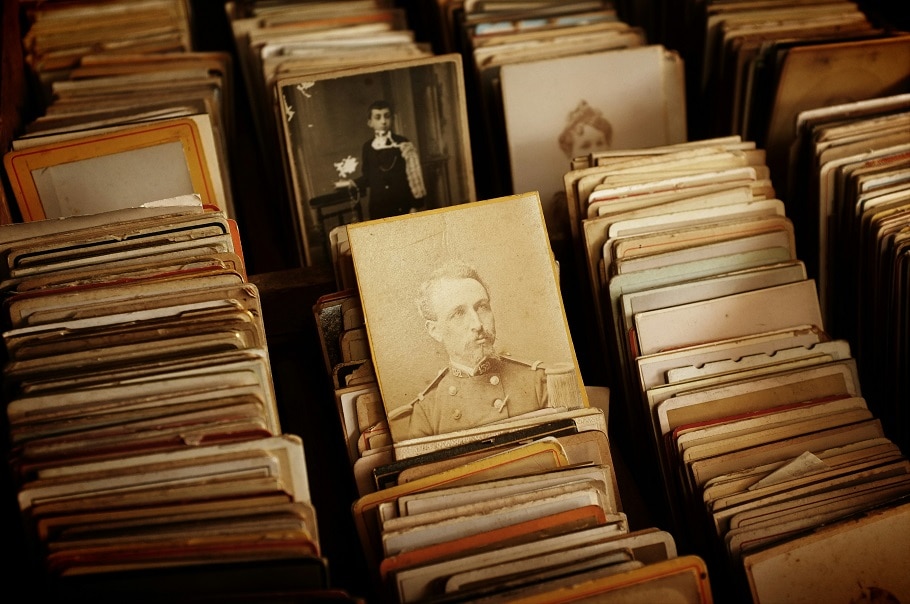
- If family members have family photos with them, start the conversation with those photos. Talk about it. You can bring your family photos to the interview and use them to start the conversation. Make sure there are one or two people in those photos that your family members recognize, and ask if they want to talk about those people. Wedding photos or family portraits are great for this.
- To encourage respondents to talk more, ask "open-ended" questions, such as "What do you remember about your grandparents?" or "What was it like growing up in their hometown?" Ask them if they have any interesting family stories. Ask "closed-ended" questions at the end of the interview to get more specific details, such as "Where is your grandmother buried?"
This simple plan is suitable for gathering information about your family tree. It is good if you can find relatives with whom you have not been in contact before or whose parents have lost touch for some reason. In the family interview, you can include information about the loss of family ties due to events in the country or city where your relatives lived. You can use your imagination to get as much information as possible. Our ancestors often found themselves in interesting situations, sometimes tricky, but this made them even more robust. That is why it is always interesting to hear about the life that was 50 or more years ago.
What kinds of questions can you use?
Make sure you have enough time for the interview. It may take several sessions, each lasting several hours. The number and length of sessions depend on various factors, such as the interviewee's health and stamina and the amount of information he/she can share. The more time you have, the better. Therefore, preparing many questions in advance is better to get the answers you want. If you do not know what questions to ask your family, there is no need to be upset.
Below is a short list that will help you gather more information.
- Where were you born? As far as you can remember, where was your first home?
- Where were your parents born?
- Have you or your family ever moved or emigrated? From where to where and when?
- How many brothers and sisters did your parents have? What are your names? Do you know where they were born and what they are doing now?
- What family stories do you remember?
- What was your mother tongue? What language did your parents speak?
- Do you remember anyone in our family who went to war? If so, when?
- What do your first and last names mean? Do you know why you were named that?
- Have you changed your name throughout your life? If so, why and what was your name before?
- What were your parents' first and last names? Do you remember their parents' first and last names?
- Where did you meet your spouse?
- What do you know about your spouse's family?
- Why was contact with your family lost?
Remember that many seniors enjoy the opportunity to reminisce and share family stories. Sometimes, sensitive or painful memories may be difficult to talk about, as well as traumatic memories related to specific events or family members, such as a loved one who has recently died. Do your best to support your relatives, and don't put too much pressure on them. Offer to take a break or make a cup of tea and continue when they feel ready again.
This is a list of basic questions to help you learn about your family tree. During the interview, new questions may appear intuitively. Don't be shy about asking them. The more information you can learn at one time, the better. Family history is an important stage for every person, so it is worthwhile to pay as much attention as possible to learning the information.
What to consider before the study?
The trip is worth it if you want to learn more about your family's roots. Knowing more about your ancestors will help you better understand who you are and give you the tools to create a better future for you and your family.
When you start exploring, the journey can seem daunting. There is so much to learn and so much to do. How will you find the information you need? How will you document it sufficiently to ensure its accuracy and preservation for future generations? When you work as a genealogy specialist, you learn various skills. You are a historian, psychologist, cartographer, researcher, linguist, and paleographer all rolled into one. Imagine yourself as a specialist and think creatively.