
Unveiling the Roots: Understanding the Causes of Tantrums in Three-Year-Olds
A tantrum in a three-year-old child is not merely an outburst of emotion but often a complex interplay of developmental, psychological, and environmental factors. A careful exploration of the internal and external factors that incite these intense emotional outbursts provides essential insights into effective management strategies.

Key Takeaways
- Tantrums often stem from a child’s inability to cope with overwhelming emotions or situations that exceed their current developmental capacity to process or articulate.
- Many tantrums arise from a child's frustration at their inability to communicate their needs, desires, or discomforts effectively.
- At this age, children are testing boundaries and seeking autonomy, which can lead to conflicts of interest with caregivers, resulting in tantrums.
- External factors, such as changes in routine, hunger, and overstimulation, can precipitate tantrums in young children.

The World of a Three-Year-Old: Navigating Emotional and Developmental Transitions
Three-year-olds are undergoing significant emotional and developmental transitions that play a pivotal role in the onset of tantrums. However, it is also a phase intertwined with unique challenges, complexities, and transitions that are fundamental in understanding the nature and occurrence of tantrums.
- Cognitive Development: Rapid cognitive advancements lead to an expanded awareness and curiosity but also to frustrations due to limited understanding and abilities.
- Social Development: Enhanced social interactions come with their joys and challenges, contributing to emotional ups and downs.
- Internal Triggers:
- Developmental Transitions: At the age of three, children are navigating a significant developmental phase marked by rapid cognitive, emotional, and social changes. This developmental flux often fuels frustrations and tantrums.
- Communication Gaps: Limited verbal skills often hamper a child’s ability to express feelings and needs effectively, leading to heightened frustration and tantrums.
- External Triggers:
- Environment and Routine: Variabilities or stresses in a child’s environment or daily routine can significantly influence their emotional equilibrium.
- Modeling: Children are inherently observant and often mirror the behaviors and emotional responses they witness in their surroundings.

Environmental Influences: The Role of External Factors in Triggering Tantrums
The external environment and daily interactions have a substantial influence on a child’s propensity to experience and express tantrums. The stability, nurturing, and stimulation provided by their surroundings play a pivotal role in a child’s emotional responses and the triggering of tantrums.
- Routine Disruptions: Disruptions to established routines can cause distress and manifest as tantrums due to a child's need for predictability.
- Sensory Overload: Overwhelming sensory input from loud noises, crowded spaces, or too much visual stimuli can lead to tantrums as a response to sensory overload.
- Caregiver Stress: Children are sensitive to the emotional states of their caregivers, and stress or inconsistency in caregivers can contribute to a child's emotional dysregulation.
- Diet and Sleep: Basic physical needs like hunger or lack of sleep significantly affect a child’s mood and susceptibility to tantrums.

Effective Management: Strategies to Handle Tantrums Compassionately and Constructively
Managing tantrums effectively involves strategies that address the child's immediate emotional needs while guiding them towards better self-regulation. A thoughtful balance between setting boundaries and offering emotional support emerges as a cornerstone in effectively managing tantrums.
- Empathetic Listening: Recognizing the child's emotions and validating their feelings can often de-escalate tantrum situations.
- Consistent Boundaries: Clear and consistent boundaries provide a sense of safety and predictability, helping children understand acceptable behavior limits.
- Communication Techniques: Encouraging the use of words to express feelings and needs helps children develop the communication skills necessary to avoid frustration.
- Calm Environment: Maintaining a calm and composed demeanor as a caregiver models self-regulation and provides a reassuring presence for the child.
Building Emotional Intelligence: Fostering Healthy Emotional Expression in Children
Fostering emotional intelligence in children is a proactive strategy for reducing the frequency and intensity of tantrums. Nurturing spaces that encourage healthy emotional expression and coping strategies are essential in this transformative journey.
- Emotion Naming: Teaching children to identify and name their emotions helps them understand and express their feelings more constructively.
- Problem-Solving Skills: Guiding children in finding solutions to their problems encourages autonomy and reduces feelings of helplessness that can lead to tantrums.
- Role-Playing Scenarios: Using play to simulate challenging situations can prepare children to handle real-life scenarios with greater emotional resilience.
- Mindfulness Practices: Introducing simple mindfulness practices can assist children in managing their emotional responses.
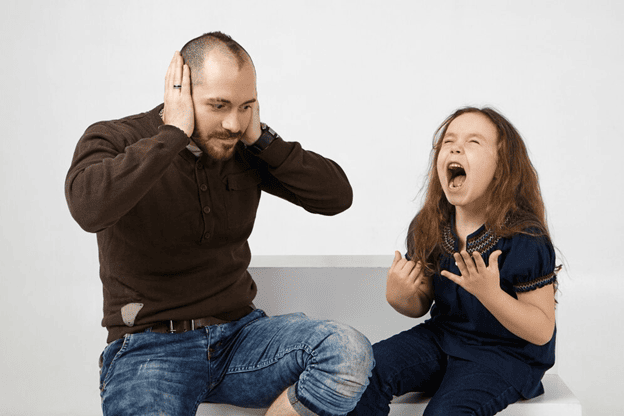
The Bigger Picture: Assessing the Impact of Tantrums on Development and Well-being
Tantrums are not only momentary challenges but also critical events that can impact a child's long-term development and well-being.
- Emotional Health: Frequent and intense tantrums can be symptomatic of underlying emotional distress and may require further evaluation.
- Social Skills: How tantrums are addressed can affect a child’s social skill development, influencing their ability to interact with peers and adults.
- Self-Concept: Children’s self-esteem and self-concept can be shaped by their experiences of tantrums and the responses they receive from caregivers.
- Family Dynamics: The family's approach to handling tantrums can affect the overall emotional climate of the home and family relationships.

Beyond the Immediate: Long-term Strategies for Supporting Emotional Development
Developing and implementing long-term strategies pave the way for sustainable support, resilience, and emotional growth in children. These strategies foster environments conducive to the ongoing nurturing of emotional intelligence and resilience.
- Positive Reinforcement: Acknowledging and reinforcing positive behaviors can motivate children to use more adaptive coping strategies.
- Emotional Coaching: Regularly engaging in emotional coaching helps children understand their emotions and how to manage them.
- Social Modeling: Demonstrating healthy emotional expression and conflict resolution as a caregiver provides a powerful model for children.
- Support Systems: Establishing a strong support system for both the child and caregiver ensures that the emotional needs of all parties are met.

FAQ
Why are tantrums more common at the age of three?
Tantrums are particularly common in three-year-olds due to a confluence of developmental factors:
- Cognitive Development: Three-year-olds are at a stage where their cognitive abilities allow them to have specific wants and needs, but they lack the full capacity to communicate or rationalize them effectively.
- Emotional Growth: This age marks a significant point in emotional development where children begin to experience a wider range of emotions that they do not yet fully understand or control.
- Independence Seeking: As they seek greater independence, three-year-olds often face challenges and restrictions that frustrate their desires, leading to tantrums as a form of protest or expression.
- Social Skills: Their social skills are emerging but not yet refined, which means children may resort to tantrums when they encounter social situations that they find difficult to navigate.

How can parents effectively manage and reduce the occurrence of tantrums?
Parents can manage and reduce the occurrence of tantrums through various proactive and responsive strategies:
- Proactive Measures: Establish consistent routines, set clear expectations, and provide choices to give a sense of control, which can reduce the frequency of tantrums.
- Emotional Coaching: Help children identify and express their emotions in appropriate ways, and teach them coping skills for dealing with frustration.
- Responsive Actions: When tantrums occur, remain calm, offer comfort and understanding, and wait for the child to calm down before discussing the behavior.
- Positive Reinforcement: Reinforce desired behaviors with praise and attention, encouraging the child to use words or other strategies instead of tantrums.

What are common mistakes parents make when handling tantrums?
Parents often make certain mistakes when handling tantrums that can inadvertently reinforce or exacerbate the behavior:
- Inconsistency: Inconsistent responses to tantrums can confuse children and may inadvertently reinforce the behavior if the child learns that tantrums sometimes lead to desired outcomes.
- Overreaction: Responding to tantrums with anger or frustration can escalate the situation and model inappropriate ways of handling strong emotions.
- Dismissal of Feelings: Dismissing or trivializing a child's feelings can lead to feelings of being misunderstood, which might increase the frequency of tantrums.
- Negotiating or Giving In: Negotiating with a child during a tantrum or giving in to their demands can teach them that tantrums are an effective way to get what they want.
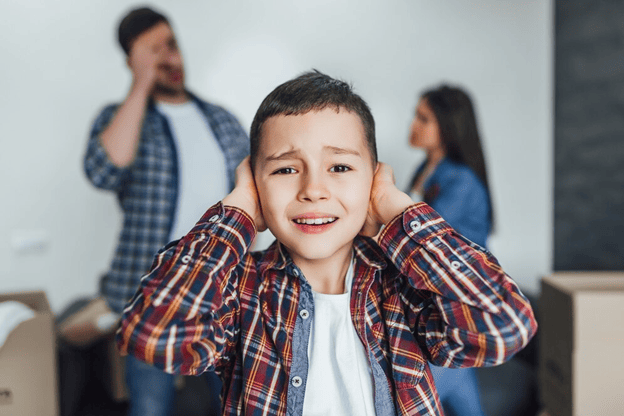
How do tantrums influence a child’s emotional development and overall well-being?
Tantrums can have both positive and negative influences on a child's emotional development and overall well-being:
- Emotional Regulation: Properly managed, tantrums can be opportunities for children to learn about emotional regulation and coping mechanisms.
- Self-Esteem: Repeated tantrums that are met with negative responses can affect a child’s self-esteem and confidence.
- Social Skills: Children who learn from their tantrums can develop better social skills as they learn more appropriate ways to express their emotions and interact with others.
- Family Dynamics: Frequent tantrums can strain family dynamics, but constructive responses can strengthen the parent-child bond and create a more harmonious family environment.
References
Brazelton, T. B., & Sparrow, J. D. (2006). Touchpoints Three to Six: Your Child's Emotional and Behavioral Development. Da Capo Press.
Siegel, D. J., & Bryson, T. P. (2011). The Whole-Brain Child: 12 Revolutionary Strategies to Nurture Your Child's Developing Mind. Bantam.












