

SELECTIVE ADAPTATION
Psycho-physical process wherein recurring subjection to a stimulus generates sensory variation that affects understanding of a successive stimulus. Assessment that…
SELECTIVE AMNESIA
Loss of memory regarding certain issues, events, and individuals which is too wide-ranging to be accounted for by typical forgetfulness.…
SELECTIVE ATTENTION
Process whereby one pays attention only to messages that address a need or interest or are consistent with the individual's…
SELECTIVE INATTENTION
Act of ignoring or otherwise screening out of stimuli that are threatening, anxiety-producing, or felt to be unimportant. Conscious or…
SELECTIVE LEARNING
Understanding how to make just one of various potential reactions or knowing about one stimulus when many stimuli are offered.…
SELECTIVE PERMEABILITY
Characteristic of a membrane which allows it to be permeable to some substances, and impermeable to others. See also: permeability.
SELECTIVE POTENTIATION
Augmentation of sensitivity or processes of specific neural pathways.
SELECTIVE REMINDING TEST
Memory evaluation wherein the subject is provided the answer to the problem whenever it cannot be recalled to ensure that…
SELECTIVE RESPONSE
Reaction which has been singled out from a group of potential surrogate reactions.
SELECTIVE VALUE
Comparative significance of any aspect in assessing the evolution of internal organs, characteristics, or species by means of natural selection.…
SELEGILINE
Drug employed for the treatment of early-stage Parkinson's disease, depression and senile dementia. In normal clinical doses it is a…
SELF AS KNOWN
Facet of self which is identified through contemplation (see: empirical self). Occasionally distinguished regarding self as knower (see: nominative self).
SELF AS OBSERVER
Facet of self which clarifies sensory and linguistic input for executive control, specifically, the self as knower (see: nominative self).
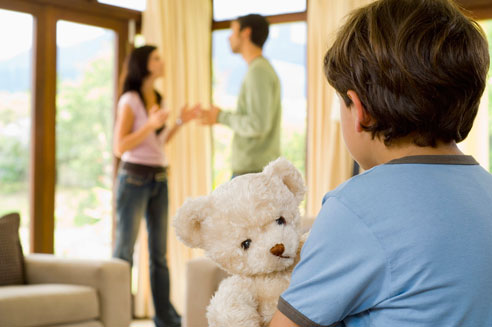
Divorced Families and the Programs That Work for Them
In 2004, most people in the United States had married only once, with 58 percent of women and 54 percent…
SLEEP DISORIENTATION
Sleep disorientation is the state of being half awake or half asleep with no normal orientation with the mind in…
SLEEP DRIVE
a psychological urge to sleep when we need a rest. It is governed by the reticulate activating system and the…
SLEEP HYGIENE
These are techniques for people suffering from insomnia. These patterns are to make sleep better, like less caffeine during the…
SLEEP EFFICIENCY
a ratio of time in bed versus time asleep and it can be affected by medication, depression and anxiety. It…