Welcome to the world of Electronic Health Records (EHRs) - a digital game-changer in healthcare. If you picture these as online, up-to-date versions of good old paper medical charts, you're spot on! But there's more to it when we dive into Specialist Mental Health EHRs.
Made for mental health professionals, these EHRs have unique tools designed around the complexities of mental health patient management. However, with digital records comes responsibility. It’s crucial that providers remain compliant with privacy rules and regulations.
Read on for a guide on what exactly EHRs are and the key steps that mental health providers need to take in order to stay within the lines of compliance while using them.
What Are Electronic Health Records?
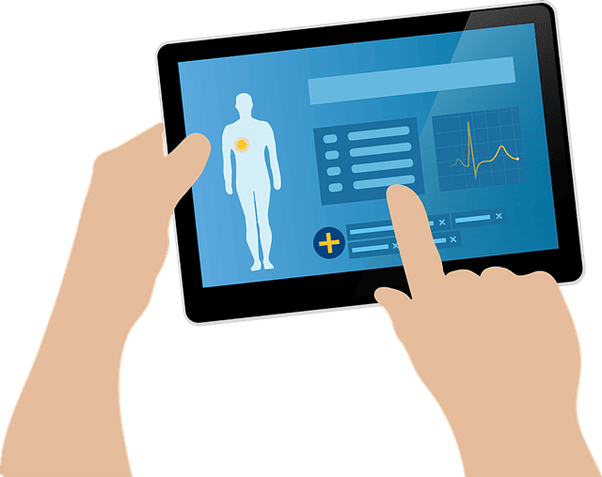
Electronic Health Records, frequently referred to as EHRs, represent a digital form of a patient's paper-based medical chart. It's an online, real-time resource available when and where it's needed. The beauty of these records lies in their efficiency - they offer a complete overview of your health with just one click. From recent diagnoses and medication lists to lab results and appointment history, everything is neatly organized.
Now, let’s focus on Specialist Mental Health EHRs for a moment. These fall under the broader category of EHRs but are geared towards mental health practitioners specifically. They are designed to meet the unique needs of psychologists, psychiatrists, or even therapists who handle cases involving mental health.
These systems have features like therapy notes templates and teletherapy capabilities relevant to the field of mental health care standards. So think along the lines of prompt access to comprehensive psychiatric evaluations or effective treatment plans - specialist MH-EHR does that for you.
In essence, EHRs streamline healthcare processes while Specialist Mental Health EHRs ensure that mental health providers receive finely tuned tools tailored accordingly for their distinct needs.
Reasons to Use a Specialist Mental Health EHR
- Enhancing Treatment Planning: Specialist Mental Health EHRs come with tailored features like advanced note templates, enabling professionals to create thorough, consistent, and efficient treatment plans. This level of detail helps improve patient outcomes.
- Facilitates Communication: These platforms connect mental health professionals, patients, and other healthcare providers. Having everyone on the same page is key for coordinating care seamlessly.
- Streamlining Scheduling: Integrated scheduling tools aid with managing appointments. Accuracy is vital to avoid confusion and these systems provide that with reminders, alerts, and availability updates.
- Secure Patient Information: Data security is crucial in healthcare. MH-EHRs use encryption technologies to safeguard sensitive patient information, offering peace of mind in addition to efficiency.
- Impacting Decision-Making: With timely access to comprehensive patient data right at your fingertips, you can make better, informed decisions – a step further towards optimal mental health care.
- Integrated Billing: With Specialist Mental Health EHRs, you can integrate your billing system. This eliminates the need for separate systems and results in a fuss-free claims process. It's all about streamlining operations!
- Easy Access to Patient Records: In case of emergencies or quick consultations, instant access to patient health records can be crucial. Mental health patient management software provides such swift access, leading to timely interventions.
- Teletherapy Features: We live in a digital age where telehealth is an important aspect of healthcare delivery. Having video conferencing options and digitized prescriptions within an EHR promotes accessible mental health services beyond geographical boundaries.
- Regulatory Compliance: This software helps in meeting legal compliance requirements related to data security and privacy laws that vary between states and countries.
- Customizable Templates: The flexibility of customizable templates fulfills the unique needs of every mental health provider, making documentation more relevant and meaningful.
- Increases Efficiency: By automating many administrative processes, providers are able to focus more on patient care rather than paperwork.
Maintaining Compliance
If you are a mental health provider, you should do the following to ensure that you are compliant;
- Protection of Patient Data: Keep up with security measures to protect sensitive patient data, including encryption and access controls. Make sure only authorized staff can access EHRs.
- Maintain Privacy: Ensure privacy protocols are followed when sharing health information through EHRs. Providers should comply with laws like the Health Insurance Portability and Accountability Act (HIPAA).
- Training Staff: Regularly educate your team about patient privacy rights, secure use of EHR systems, and updated rules concerning patient data handling.
- Audit Trails: Implement a system that tracks who accesses patient records, when, and for what purpose; this aids in maintaining transparency.
- Disaster Recovery Plan: Have a robust plan in place for potential data loss from calamities or cyber threats, which includes regular data backup and recovery techniques.
- Regular System Updates: Schedule timely updates for your EHR software to ensure compliance with new regulations or changes in existing ones.
- Accurate Documentation: Consistent documentation of all treatment plans, diagnoses, and medical interventions is essential to meet regulatory standards.
- Consent Management: Properly record patients’ consent to share their information electronically; it's mandatory before initiating any digital sharing process.
Wrapping Up
In the evolving landscape of healthcare, EHRs are leading us towards more efficient and secure practices. Mental health professionals, it's time to embrace technology and harness its potential to uplift your service standards.
Start your journey with Specialist Mental Health EHRs today, ensuring compliance along the way for smooth sailing in mental healthcare provision!