
n. the science which integrates that area of overlap between biology and psychology. It studies the reciprocal relationship between the underlying physiological events which affect some psychological processes, and vice-versa. Also called physiological psychology.
Introduction
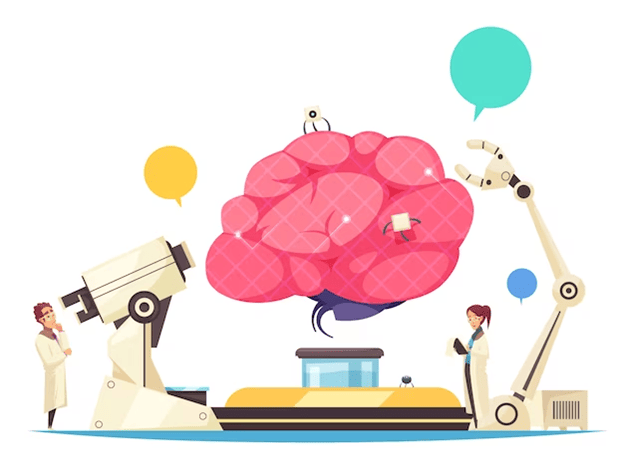
Biological psychology, often known as biopsychology or psychobiology, is the study of the complex interaction that exists between our minds and bodies. Understanding how biological processes underpin our ideas, emotions, and behaviors is crucial in this subject.
Definition
Biological psychology is a discipline of psychology that studies the connections between biological (biochemical, neurological, and genetic) processes and psychological experiences. It investigates how our brains, genes, and hormones influence our actions and beliefs.
Background and Context
Historical perspective
Biological psychology's roots can be traced back to early philosophical arguments about the mind-body link. It did, however, emerge as a distinct subject in the late nineteenth and early twentieth century, with the development of experimental techniques for studying the brain.
Current state of research
Advances in neuroimaging techniques, such as MRI and PET scans, allow for more thorough analyses of the brain in activity in modern biological psychology. Furthermore, genetic research discoveries are shedding insight on the role of heredity in mental health disorders.
Importance
Understanding biological psychology is important because it provides a more complete picture of human behavior. It enables us to investigate how our biological makeup effects our emotions, cognition, and behavior, potentially leading to more effective interventions for mental health conditions.
Key Concepts and Terminologies
- Neurotransmitters: Chemical messengers that transmit signals across a synapse from one neuron to another.
- Neuroplasticity: The brain's ability to reorganize itself by forming new neural connections throughout life.
- Genetics and Behavior: The study of how our genes influence our behavior.
Practical Applications and Implications
Biological psychology has different practical uses, particularly in the realm of mental health. Understanding the biological foundation of mental health illnesses, for example, can aid in the development of more effective therapies, such as pharmacological interventions.
FAQ: Frequently Asked Questions
What is biological psychology and why is it important?
Biological psychology has different practical uses, particularly in the realm of mental health. Understanding the biological foundation of mental health illnesses, for example, can aid in the development of more effective therapies, such as pharmacological interventions.
How do psychologists conduct research and gather data?
Biological psychologists do study using a range of methods, including neuroimaging techniques, genetic investigations, and animal experiments.
What are the different branches of the topic?
Branches of the field include behavioral neuroscience, cognitive neuroscience, and neuropsychology.
How do psychological theories and concepts apply to daily life?
Biological psychology concepts can help people understand their behavior and emotions from a biological standpoint, such as how stress affects our physical health or how our genes influence our proclivity to specific mental health issues.
What is biological psychology and why is it important?
Biological psychology, sometimes known as biopsychology, is the study of the biological underpinnings of behavior and mental processes. It is critical in providing a thorough understanding of human behavior and in establishing effective interventions for mental health issues.
How do biological psychologists conduct research and gather data?
Researchers in biological psychology use a range of approaches to collect data. These include neuroimaging techniques such as MRI or PET scans, genetic studies, and animal experimentation.
What are the different branches of biological psychology?
Biological psychology includes numerous subfields such as behavioral neuroscience, cognitive neuroscience, and neuropsychology. Each branch is concerned with a particular element of the relationship between biological and psychological processes.
How do biological psychology theories and concepts apply to daily life?
Biological psychology concepts can help people comprehend their own behavior and emotions from a biological standpoint. They can, for example, shed light on how stress affects physical health or how our genetic composition influences our proclivity to specific mental health issues.
References
Rosenzweig, Mark & Breedlove, Stephen & Leiman, Arnold. (2002). Biological psychology: An introduction to behavioral, cognitive, and clinical neuroscience (3rd ed.).
Kandel E.R., & Schwartz J.H., & Jessell T.M., & Siegelbaum S.A., & Hudspeth A.J., & Mack S(Eds.), (2014). Principles of Neural Science, Fifth Edition. McGraw Hill. https://neurology.mhmedical.com/content.aspx?bookid=1049§ionid=59138139












