
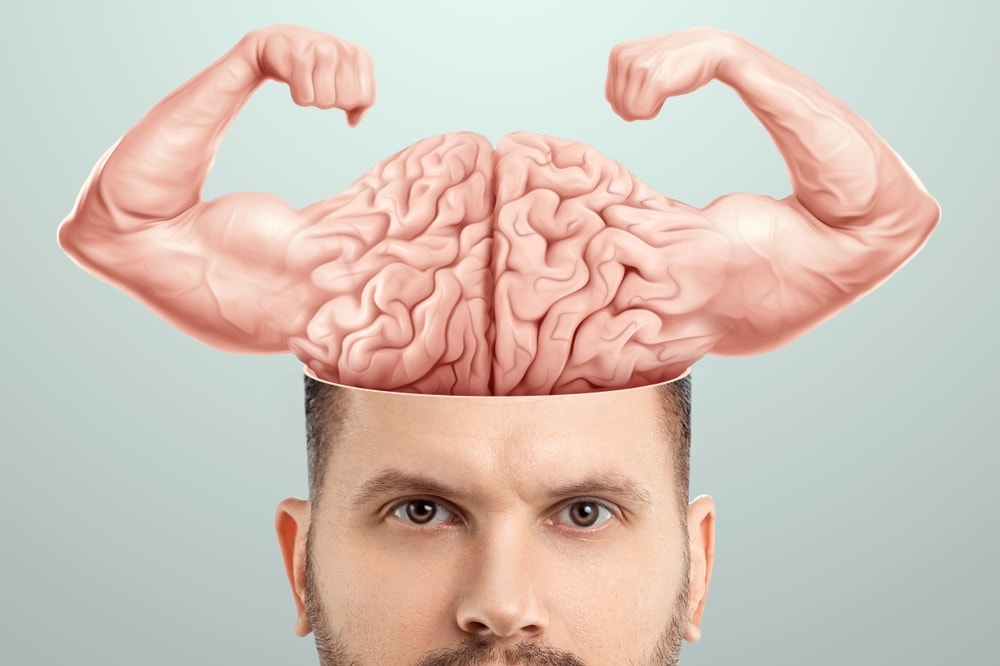
is the ability to understand and then internalize information into the memory stores based on the processes of learning, encoding, retention and then retrieval and reactivation of a memory when stimulated. Research has implied that for every fact or memory, a new neuron is formed in the brain.
Introduction
One of the most important mental processes that characterizes the human experience is Memory, which is being researched by neuroscientists and psychologists. By enabling us to store and retrieve information, it maintains our identities and facilitates learning. From simple sensory processing to higher cognitive abilities like language and thought, it is a fundamental mechanism involved in a wide range of cognitive abilities.
Definition
Memory is referred to as the process of encoding, storing, and retrieving information in psychology. We can form relationships, adjust to new circumstances, learn from experience, and make sense of the world around us thanks to this intricate system. Everything we remember is included in memory, and it affects almost everything we do.
Background and Context
Historical Perspective
The study of memory as a science has a long history. But Hermann Ebbinghaus didn't start his groundbreaking research into memory using scientific methods until the late 19th century. Ebbinghaus created the first numerical method of measuring memory, which he dubbed the "forgetting curve."
Since then, numerous models of memory have been proposed, including the influential stage model of memory by Atkinson and Shiffrin in the 1960s, which proposed three stages of memory processing: sensory memory, short-term memory, and long-term memory.
Current State of Research
Research into memory has grown tremendously since the early work of Ebbinghaus and Atkinson and Shiffrin. Current research spans numerous areas, including understanding how memories are encoded and stored in the brain, how they are recalled, and how they can be influenced and distorted.
Recent developments include the growing understanding of the role of sleep in memory consolidation, the elucidation of the mechanisms behind "flashbulb memories" (vivid memories of significant events), and the exploration of how traumatic memories contribute to conditions like post-traumatic stress disorder (PTSD).
Importance
Numerous facets of our lives depend on memory. It enables us to retrieve information that is stored in the brain, recall previously learned skills, or recall a priceless memory. Individual can use memory to make future plans based on past experiences.
We wouldn't have an identity, a sense of continuity, or the capacity to learn without memory. Understanding this complex cognitive function is crucial because many mental health conditions, including PTSD, Alzheimer's disease, and dementia, involve serious memory problems.

Key Concepts and Terminologies
- Encoding: The process by which we transform what we perceive, think, or feel into an enduring memory.
- Storage: The process of maintaining information in memory over time.
- Retrieval: The process of bringing to mind information that has been previously encoded and stored.
- Working Memory: This is a cognitive system with a limited capacity that can hold information temporarily. It is important for reasoning and the guidance of decision-making and behavior.
- Long-Term Memory: This is the continuous storage of information. Unlike short-term memory, the storage capacity of long-term memory is seemingly unlimited. It can hold information for a little while or as long as decades.
Practical Applications and Implications
Numerous practical applications of memory research have been made, ranging from developing better study methods to treating memory-related disorders. Following are some advice drawn from psychological research:
- Use active recall: Research has shown that actively recalling information, rather than just rereading it, significantly improves memory retention.
- Distribute your study: Spacing out learning over time, a technique known as distributed practice, can enhance long-term memory.
- Take care of your mental health: Mental health problems, such as stress and depression, can adversely affect memory. Seeking help for these issues can protect your memory function.
- Lead a healthy lifestyle: Regular physical exercise, a balanced diet, and adequate sleep can all contribute to improved memory and brain health.
Frequently Asked Questions
What is memory and why is it important?
Encoding, storing, and retrieving information are all processes carried out in memory. It is crucial for education, preparation, and identity formation.
How do psychologists conduct research and gather data about memory?
Psychologists use a variety of methods to study memory, including laboratory experiments, brain imaging techniques, neuropsychological studies of patients with memory disorders, and longitudinal studies of healthy individuals.
What are the different branches of memory research?
Memory research is divided into several subfields, such as cognitive psychology, which focuses on memory functions, neuropsychology, which examines the neural bases of memory, and clinical psychology, which examines memory disorders and their management.
How do memory principles apply to daily life?
Learning and studying skills can be improved, memory in old age can be improved, memory disorders can be understood and managed, and the legal system can be informed about the accuracy of eyewitness memory.
References
Ebbinghaus, H. (1913). Memory: A Contribution to Experimental Psychology. Teachers College, Columbia University.
Atkinson, R.C., & Shiffrin, R.M. (1968). Human memory: A proposed system and its control processes. The psychology of learning and motivation, 2, 89-195.
Baddeley, A. D. (1992). Working memory. Science, 255(5044), 556-559. DOI: 10.1126/science.1736359












